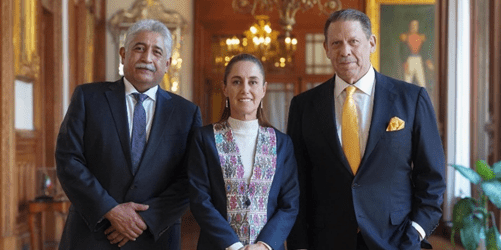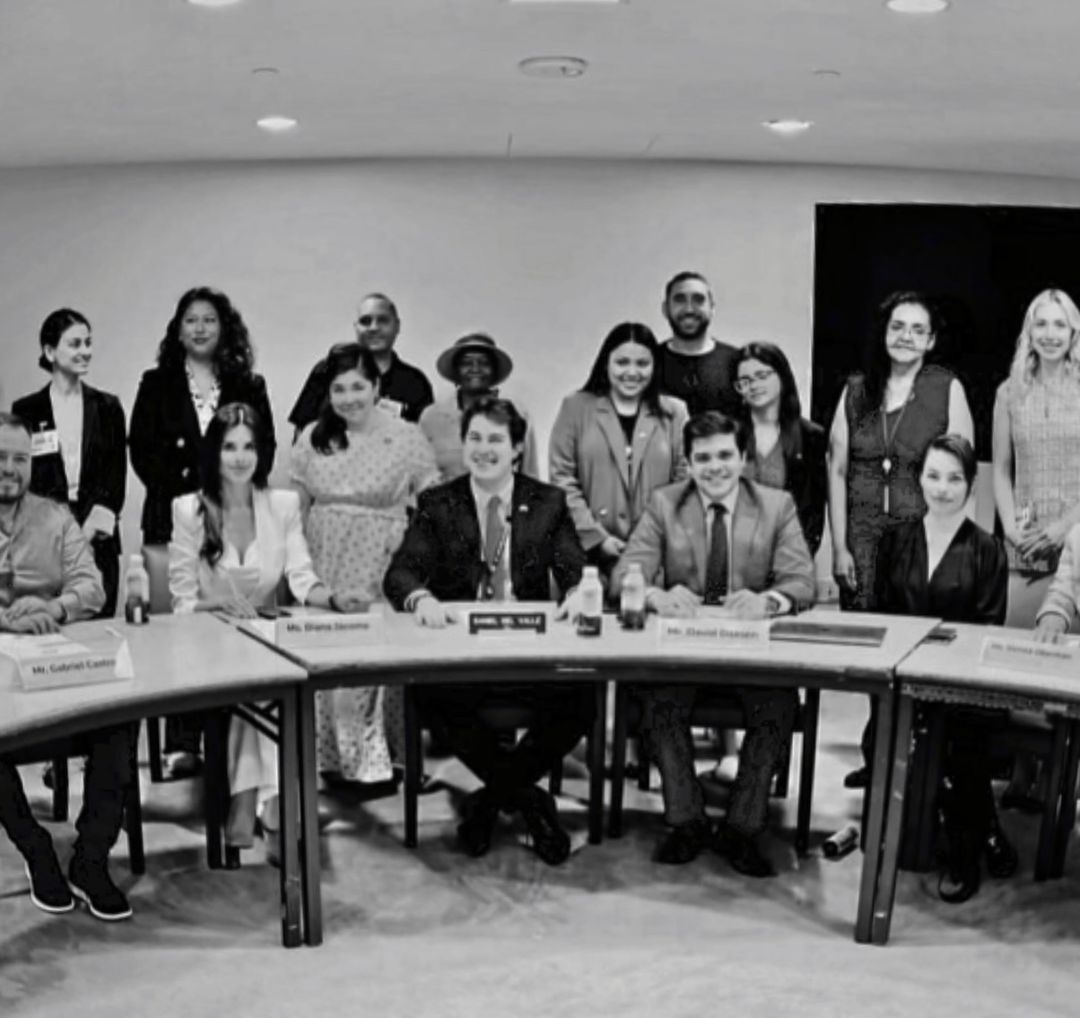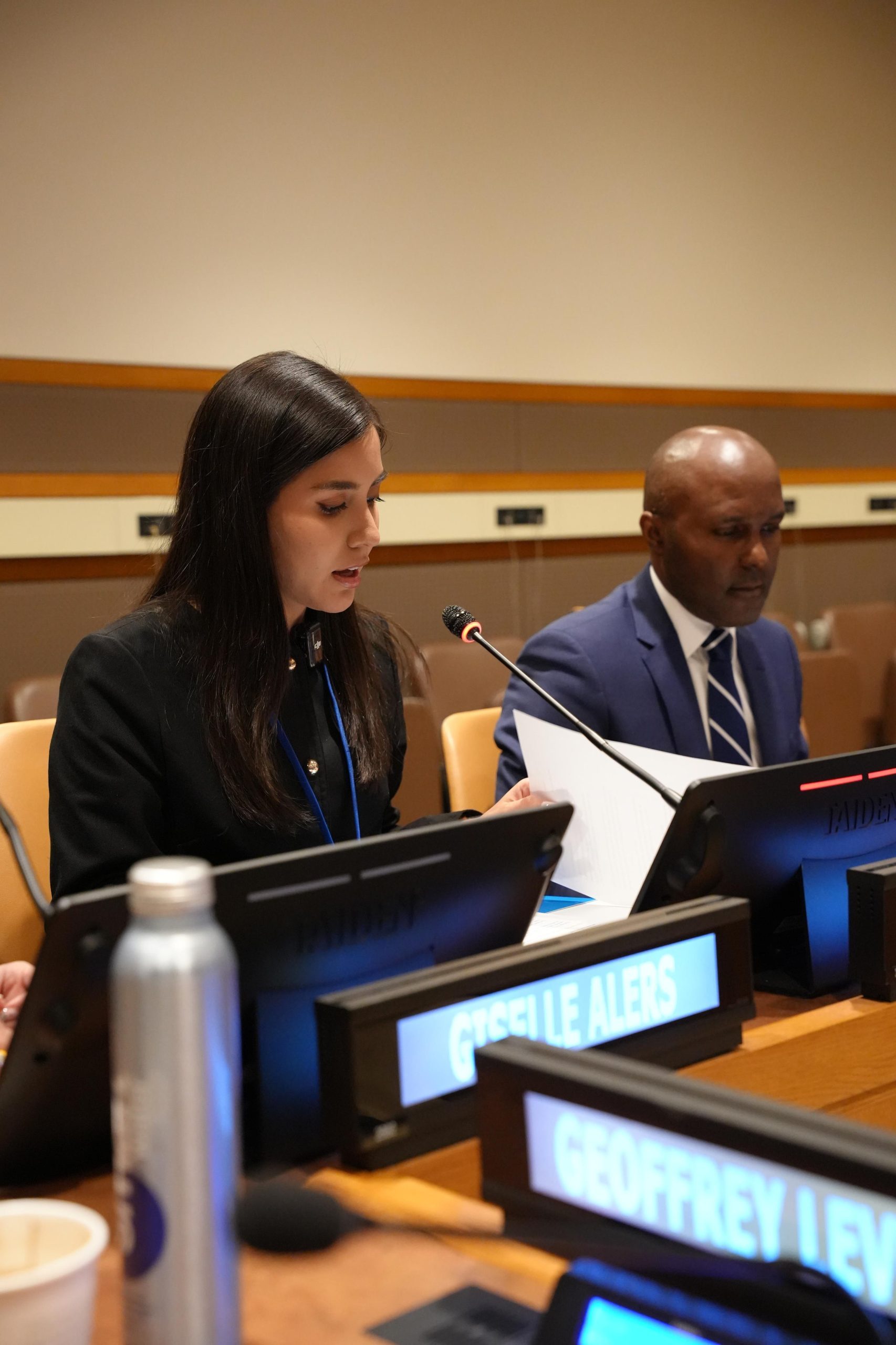
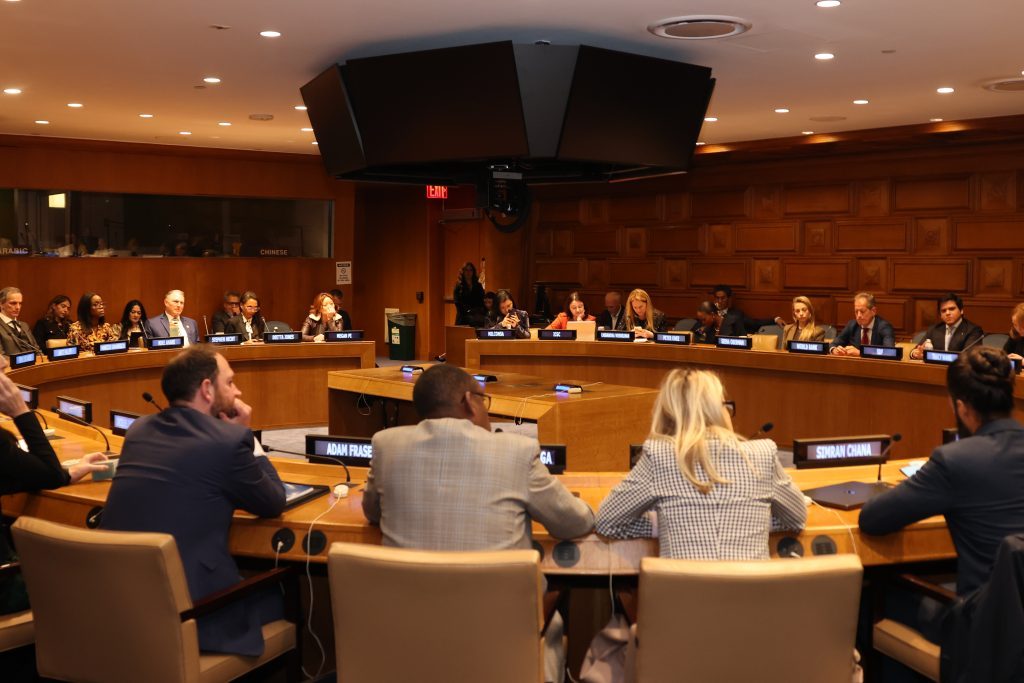
An international roundtable organized by the Council of Global Change brought together representatives from the World Bank, Malala Fund, Nobel Sustainability Trust, YPO and global leaders to address one of the defining challenges of our era: who will control the infrastructure, data, and human development shaping the new digital economy.
The Council of Global Change convened a high-level international roundtable titled “Sovereign Pathways for Development” at the headquarters of the United Nations, bringing together representatives from multilateral organizations, international financial institutions, technology leaders, entrepreneurs, humanitarian organizations, investors, and global experts to discuss one of the most consequential issues of our time: digital sovereignty and the future of human development in the age of artificial intelligence.
The gathering included participation from representatives of the World Bank, Malala Fund, Nobel Sustainability Trust, YPO, Smart Africa, and various institutions connected to the global ecosystem of innovation, sustainability, governance, and digital transformation.
However, beyond a technological discussion, the session evolved into a broader conversation about human dignity, economic development, international governance, financial inclusion, and the right of nations and individuals to maintain control over their data, identity, and digital future.
The opening remarks were delivered by Consuelo Vanderbilt Costin, President of the 2025 Sessions of the Council of Global Change, who established the philosophical and strategic tone of the meeting by emphasizing that sovereignty can no longer be understood solely through territorial or political frameworks.
“True development is never imposed from the outside. It emerges when nations exercise sovereignty with purpose,” she stated during her address.
Consuelo argued that one of the defining challenges of the 21st century will be ensuring that nations are able to participate strategically in the emerging global technological architecture without losing autonomy, identity, or decision-making capacity.
She also highlighted that the mission of the Council of Global Change is to transform dialogue into execution by promoting practical frameworks of international cooperation capable of strengthening institutions, fostering innovation, and building sustainable systems centered around each nation’s priorities.
Throughout the session, a central idea began to emerge clearly: the meaning of sovereignty itself is changing.
Sovereignty is no longer defined exclusively by physical borders, natural resources, or military power. Increasingly, it also involves digital infrastructure, artificial intelligence, computational access, digital identity, and control over data.
The Risk of a New Technological Inequality
One of the most recurring concerns throughout the roundtable was the possibility that artificial intelligence could dramatically deepen existing inequalities between developed economies and the developing world, particularly across Africa and other regions of the Global South.
Among the most impactful interventions was that of Sangbu Kim, Vice President for Digital and AI at the World Bank, who outlined the profound structural gaps that continue to limit digital access for billions of people around the world.
Kim reminded participants that more than 3.1 billion people still lack internet access, while hundreds of millions remain without any form of official identification — preventing them from accessing financial services, digital platforms, and basic economic opportunities.
He also warned that less than 1% of global generative AI traffic and less than 1% of data center capacity are currently located in Sub-Saharan Africa, while more than 90% of global computing power remains concentrated in high-income economies.
“Time is critical. The technological gap is growing exponentially and we need to act with speed and scale,” he stated.
His remarks reinforced a shared concern among participants: if emerging economies fail to develop local technological infrastructure and innovation capacity, they risk becoming merely consumers of technologies designed and controlled elsewhere.
Africa and the Threat of “Digital Colonialism”
The discussion took on an even greater sense of urgency as several participants warned about the possibility of new forms of “digital colonialism.”
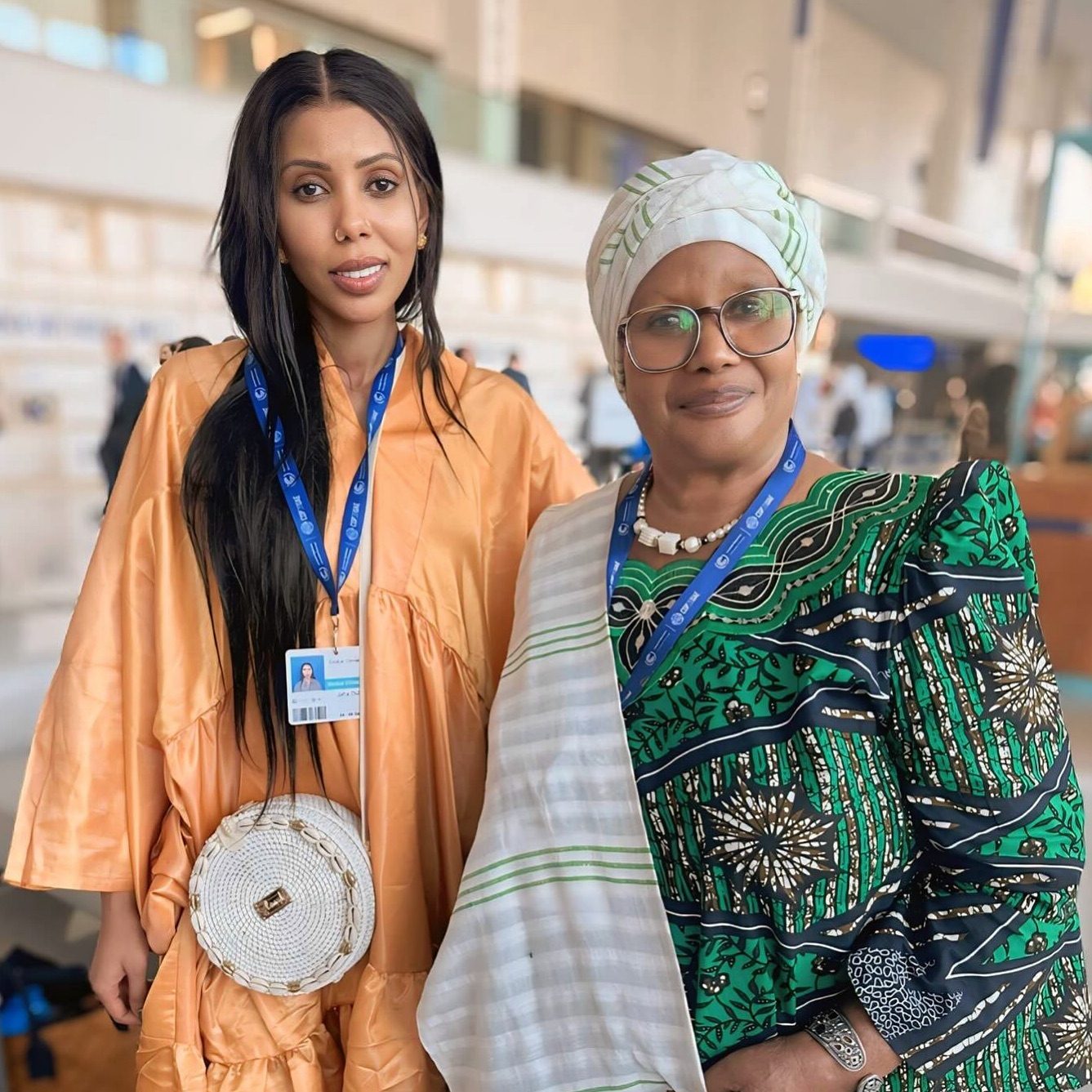
Among the strongest interventions was that of Sarah Boulos, member of the Council of Global Change, who emphasized that Africa should not be viewed merely as an emerging market, but as a strategic actor capable of shaping a significant portion of the future global digital economy.
During her remarks, she stressed the importance of preventing the continent’s data, technological infrastructure, and innovation ecosystems from once again falling under external control.
The conversations reflected a growing concern that artificial intelligence and the digital economy could reproduce historical patterns of dependency and concentration of power, where the value generated by millions of people is captured almost exclusively by large corporations or global technological centers.
Throughout the roundtable, participants repeatedly argued that the future digital ecosystem cannot be built through centralized models that exclude the cultural, economic, and social realities of different regions of the world.
Education, Inclusion, and the Role of Women in the Digital Future
The most human and social dimension of the conversation was addressed by Lena Alfi, CEO of Malala Fund, the organization founded by Malala Yousafzai and her father to promote girls’ access to education worldwide.
During her intervention, Alfi warned that the technological revolution and artificial intelligence could further deepen gender inequalities if women are not actively involved in designing the digital, financial, and educational systems of the future.
“Current systems were not designed with women in mind. Financial systems, education systems, and healthcare systems have historically failed women. If we want to build a more equitable future, women must be part of designing the solutions,” she stated.
She also reminded attendees that millions of girls and women in rural and marginalized communities still lack access to education, digital connectivity, and basic financial services.
Her intervention shifted the conversation away from technology alone and toward people, emphasizing that any truly inclusive digital transformation must take into account the lived realities of the world’s most vulnerable populations.
The session also explored broader themes related to digital literacy, energy access, financial inclusion, technological education, and preparing younger generations for the accelerated transformation of the global digital economy.
Building a New Global Architecture
Another significant moment of the session came with the participation of Tracy Wong, CEO of the Nobel Sustainability Trust, who presented the organization’s vision regarding the role of science and artificial intelligence in building more transparent and sustainable systems for the future.
During her remarks, Wong explained that the organization is developing a global AI-powered platform designed to measure sustainability indicators in real time and transform scientific evidence into practical tools, verifiable metrics, and international standards aligned with the United Nations Sustainable Development Goals.
Participants also received a special recorded message from Peter Nobel, President of the institution and member of the Nobel family, who emphasized the importance of strengthening cooperation between governments, academia, the private sector, and civil society in order to confront the challenges posed by technological transformation, inequality, and global sustainability.
“The future requires building bridges strong enough to sustain our collective ambitions,” Nobel stated in his message to attendees.
These interventions reinforced one of the central conclusions of the gathering: the future of artificial intelligence and digital sovereignty cannot be shaped solely by commercial interests or technological acceleration, but through new forms of international cooperation capable of balancing innovation, ethics, inclusion, and human development.
The Beginning of an International Collaboration
As the session concluded, participants confirmed the signing of a Memorandum of Understanding (MOU) aimed at establishing an international framework of collaboration to advance several of the projects and initiatives discussed during the roundtable.
According to discussions held during the meeting, the MOU will serve as a cooperative structure designed to facilitate initiatives related to digital sovereignty, education, technological innovation, infrastructure, and sustainable development, with the support and guidance of representatives from the World Bank who participated in the session.
The event concluded with a collective call to transform dialogue into concrete action and to strengthen international alliances capable of responding with speed, responsibility, and human-centered vision to the challenges of the evolving global digital ecosystem.
Through this initiative, the Council of Global Change continues to consolidate its role as an international platform for strategic dialogue and multisector cooperation, bringing together leaders from across sectors at the United Nations to address the ethical, social, economic, and technological challenges that will shape the future of coming generations.
Because, as became increasingly clear throughout the session, the next major global struggle may no longer be fought solely over territory or natural resources, but over who controls the data, artificial intelligence, and digital infrastructure that will define human life.