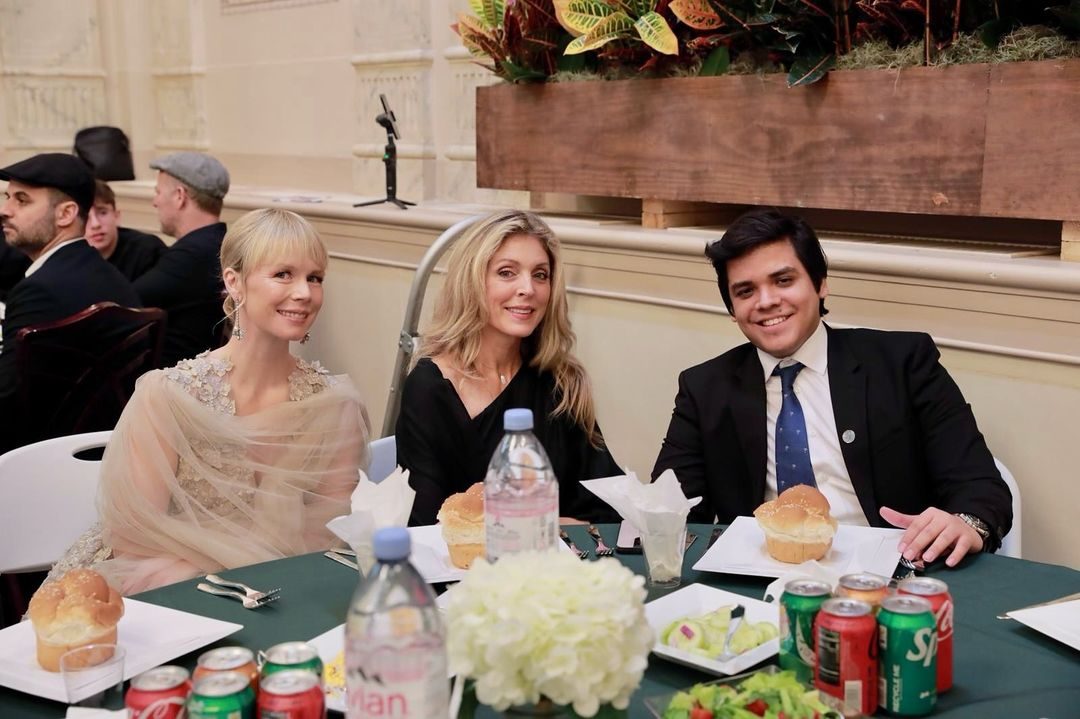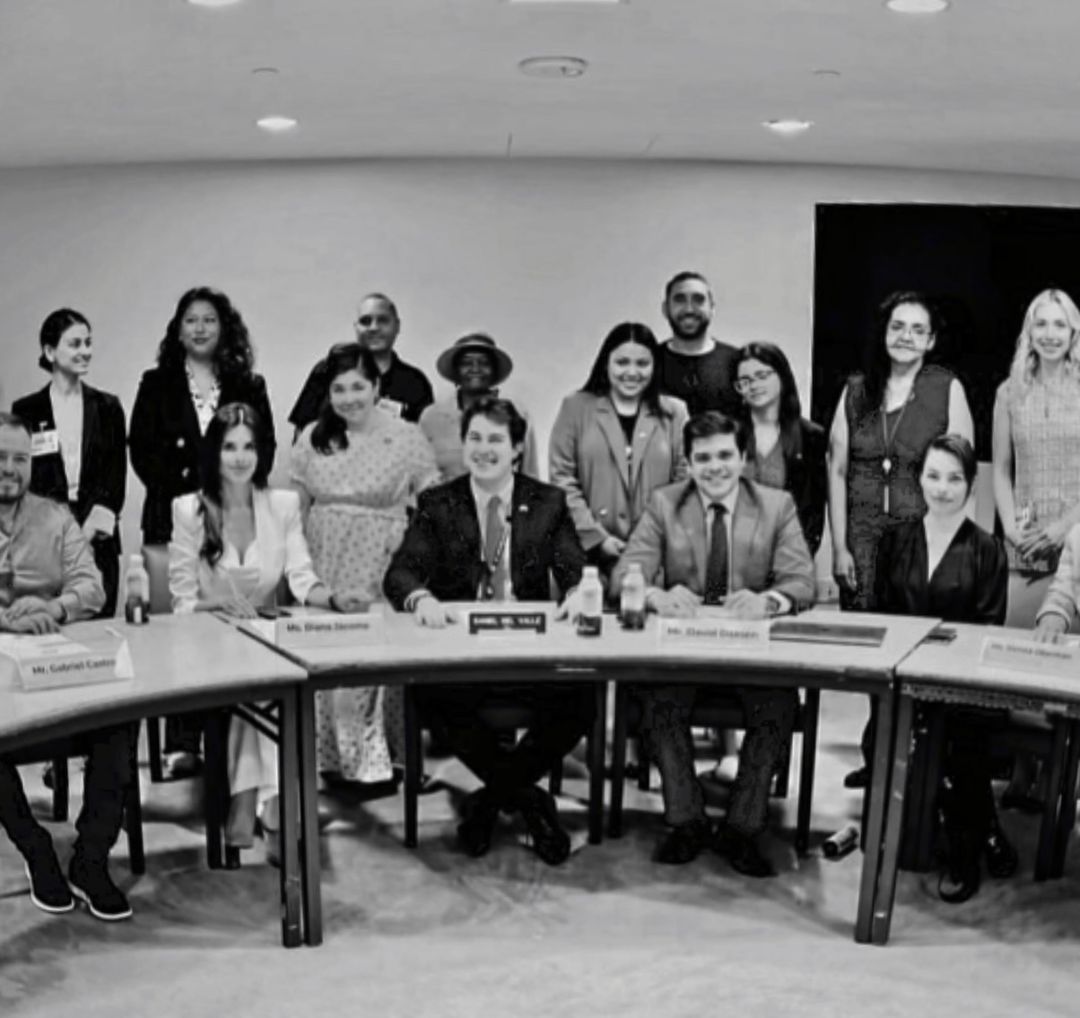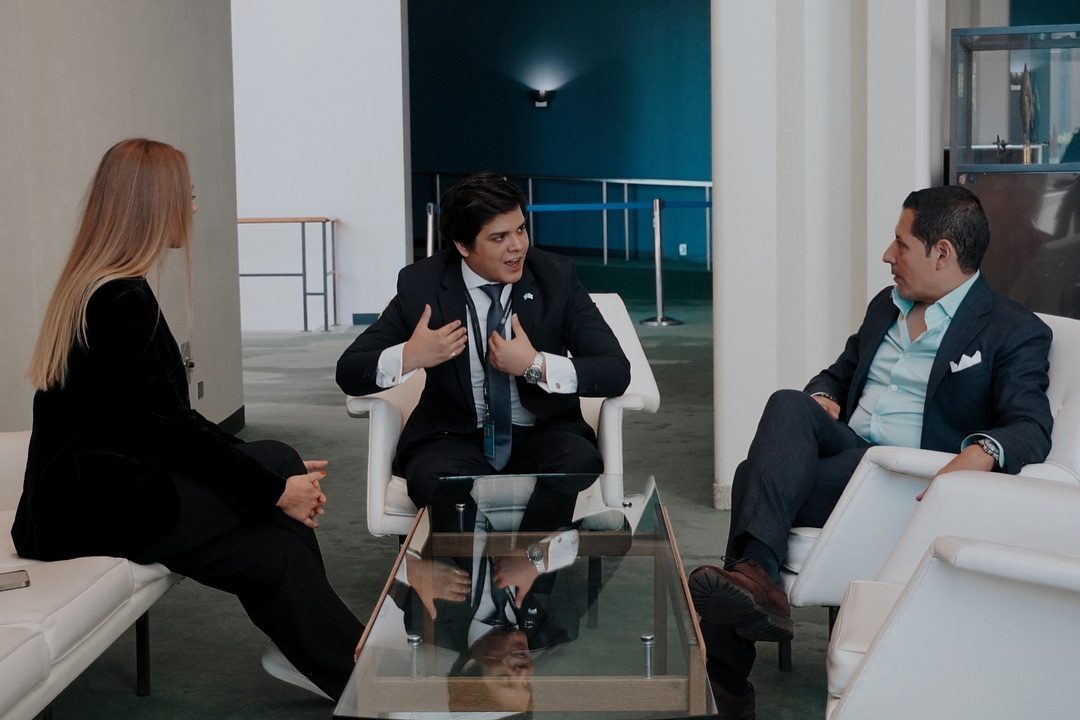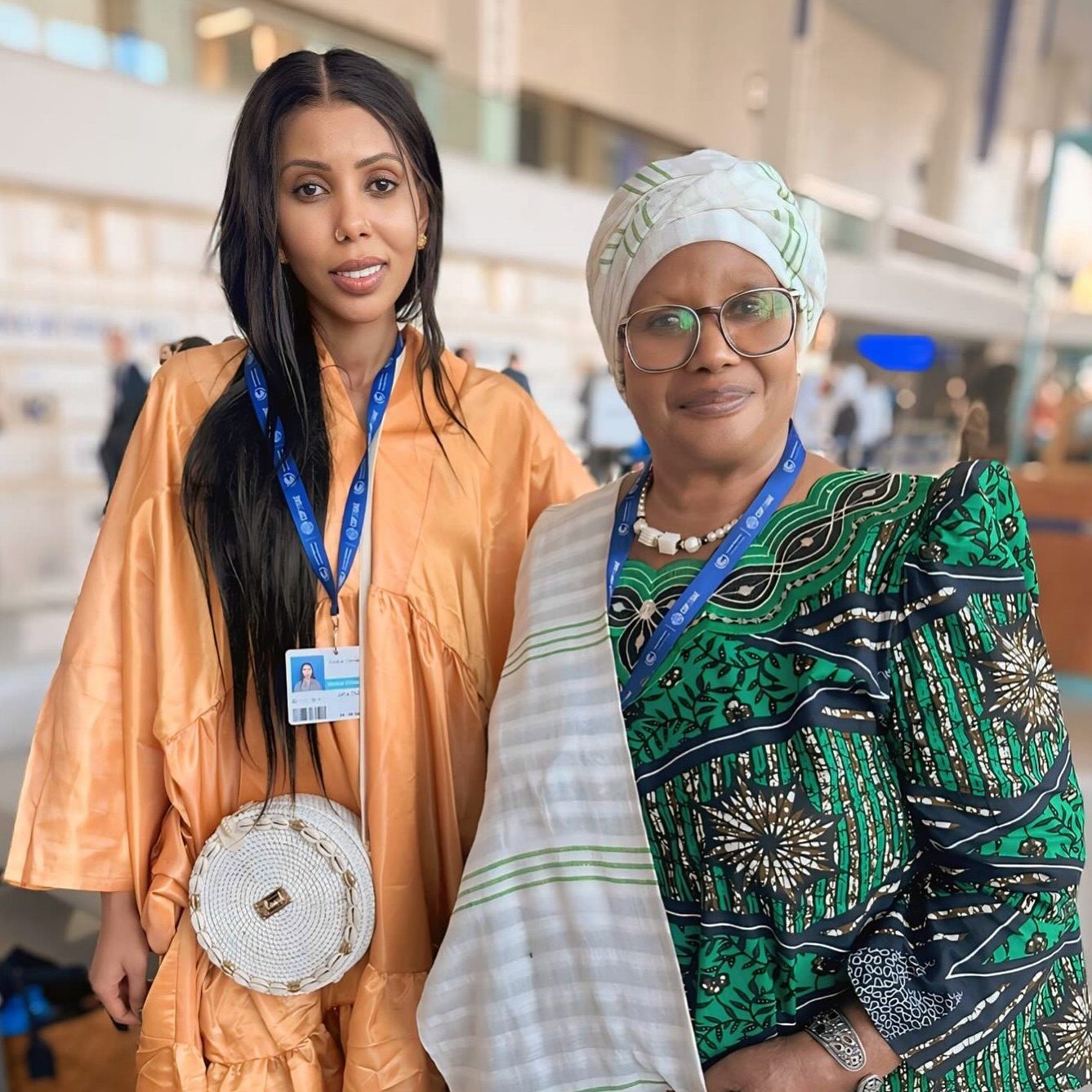
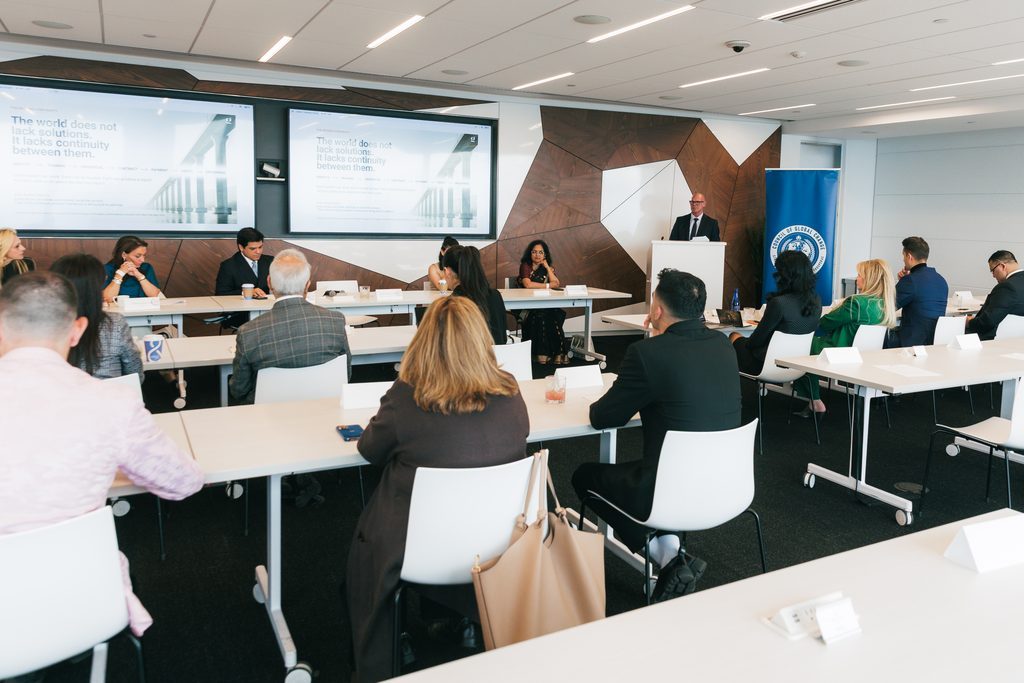
The Council of Global Change (CGC) convened representatives of governments, the private sector, international institutions, civil society, and leaders from different regions in New York to examine how investment, technology, knowledge, and institutional capacity can be brought together to support development models capable of delivering sustainable results.
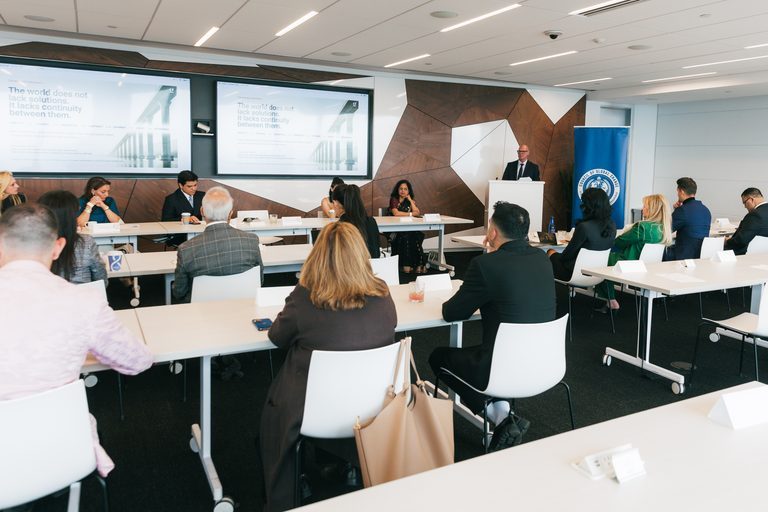
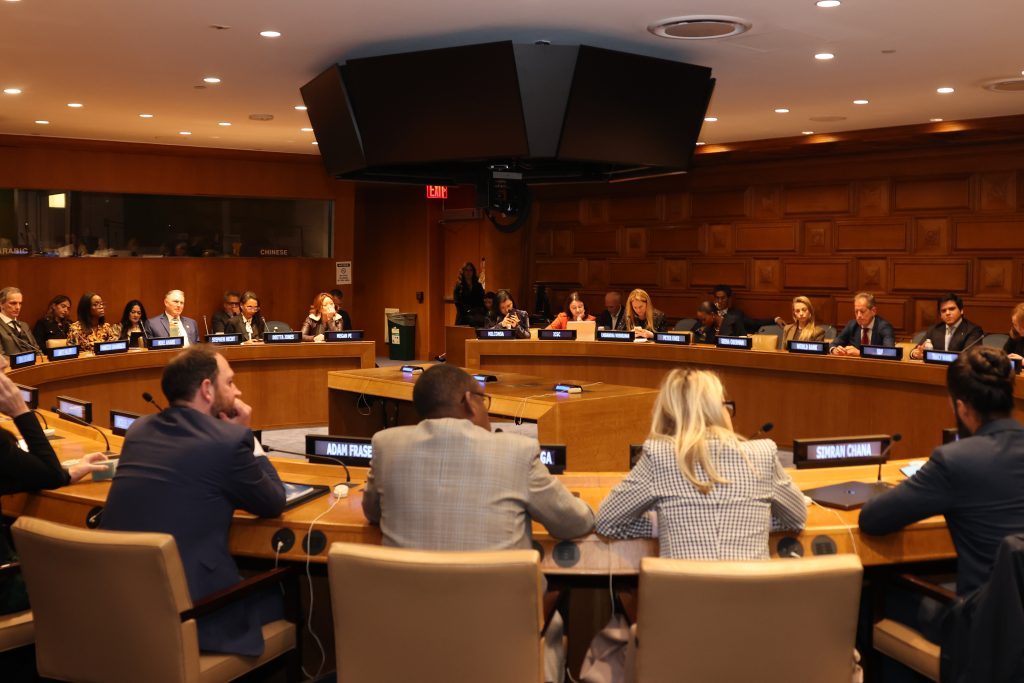
The private session, entitled Economic Development Models: Bridging Government and Private Sector for Sustainable Growth, took place at One World Trade Center and brought together CGC members and international guests to discuss the relationship between public priorities and private-sector capabilities.
The discussion addressed a challenge facing emerging and developing economies: expanding economic opportunities while demands for infrastructure, employment, technology, and human capital continue to grow. The World Bank projects global growth of 2.5% in 2026 and estimates that approximately 1.2 billion young people in emerging market and developing economies will reach working age between 2025 and 2035.
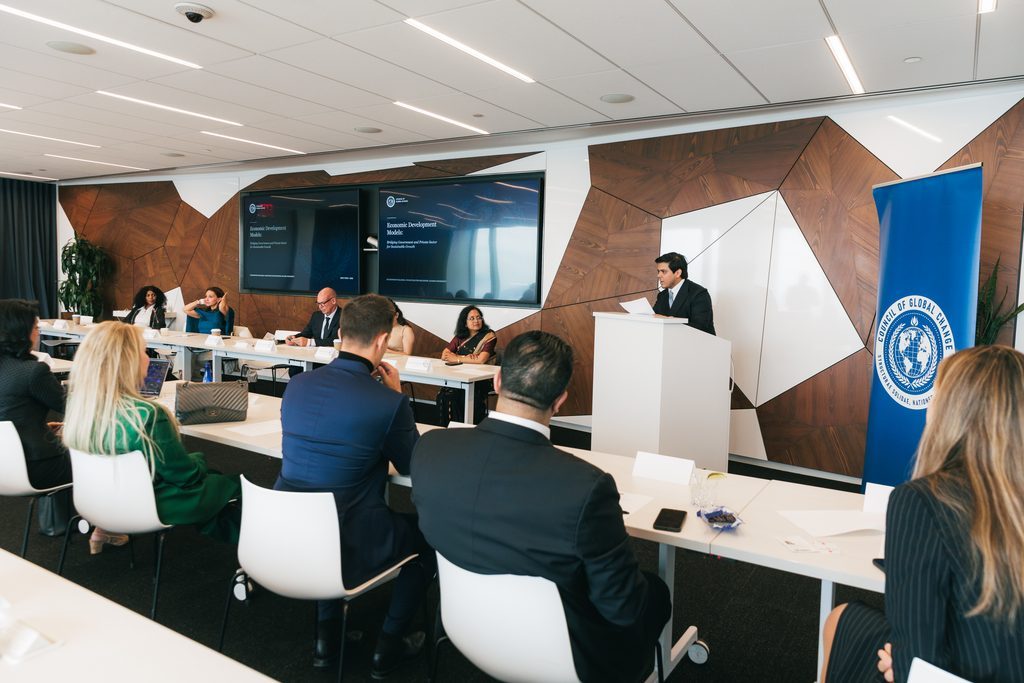
David X. Sánchez, Secretary-General of the Council of Global Change, opened the session by outlining the evolution of the Council’s international network and the importance of translating institutional relationships into practical capabilities. Its expanding presence across Latin America, the United States, Europe, Asia, and the Gulf is intended to facilitate delegations, institutional meetings, local initiatives, and connections among governments, businesses, experts, technology providers, and investors.
The emphasis was on practical cooperation: identifying how existing capabilities can be connected to generate results that endure beyond a single initiative or funding cycle.
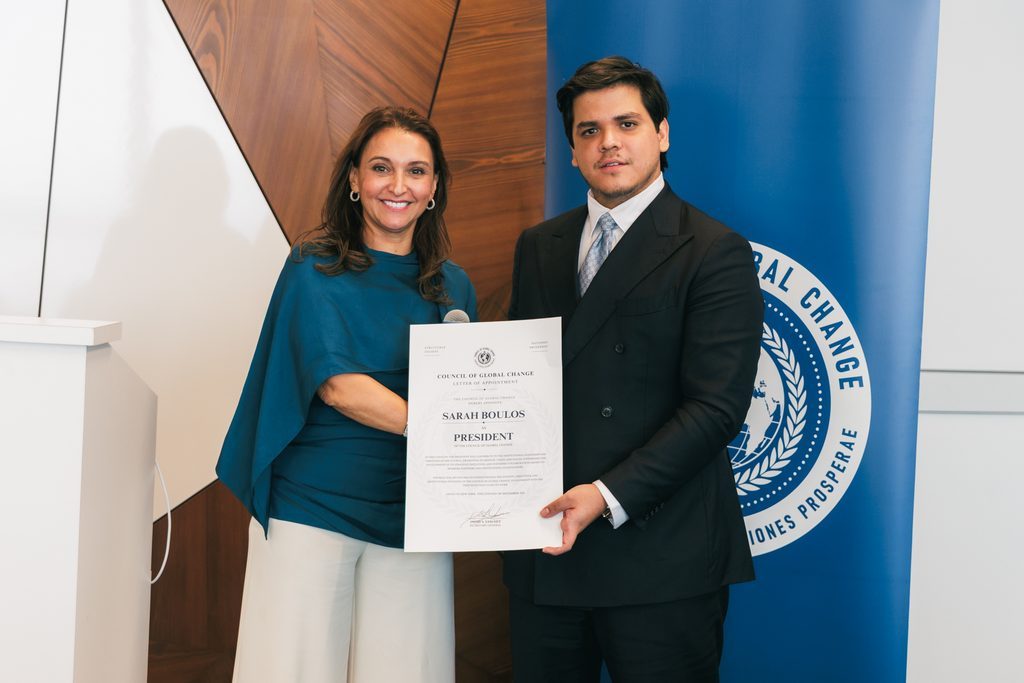
During the meeting, Sarah Boulos, founder and chair of Society for Performing Arts of Nigeria (SPAN), was formally acknowledged as President of the Council of Global Change for 2026. Drawing on more than two decades of work with young people and communities, Boulos addressed the gap between talent and access to opportunity. Governments develop policies, businesses generate investment and employment, civil society reaches communities, philanthropy provides resources, and educational institutions contribute knowledge. Yet when these capacities remain disconnected, the people they are intended to serve may continue to be excluded from opportunities.
Consuelo Vanderbilt, Director for Cultural Affairs of the CGC, addressed the role of knowledge and experience in connecting institutions, cultures, markets, and generations. Her remarks examined how successful approaches developed in one country can be shared, adapted, and applied elsewhere, allowing institutions and communities to build on existing experience rather than start from scratch.
Héctor Sulaimán, Director for Latin America and the Caribbean, brought attention to digital identity, data governance, financial inclusion, and emerging technologies. His intervention underscored the need for secure and interoperable digital systems, safeguards for personal data, and stronger participation by Latin America and the Caribbean in shaping the standards that will influence the future of the digital economy.
Jaha Dukureh, Council Member and UN Women Goodwill Ambassador, examined the relationship between public policy and economic opportunity, drawing on her work with governments, the United Nations, communities, and civil society. She identified fragmentation among institutions and sectors as a major obstacle to sustainable development. Agriculture in Africa served as a concrete example: governments, farmers, businesses, and financial institutions each have a role to play in strengthening production, developing local value chains, and responding to the growing effects of climate change.
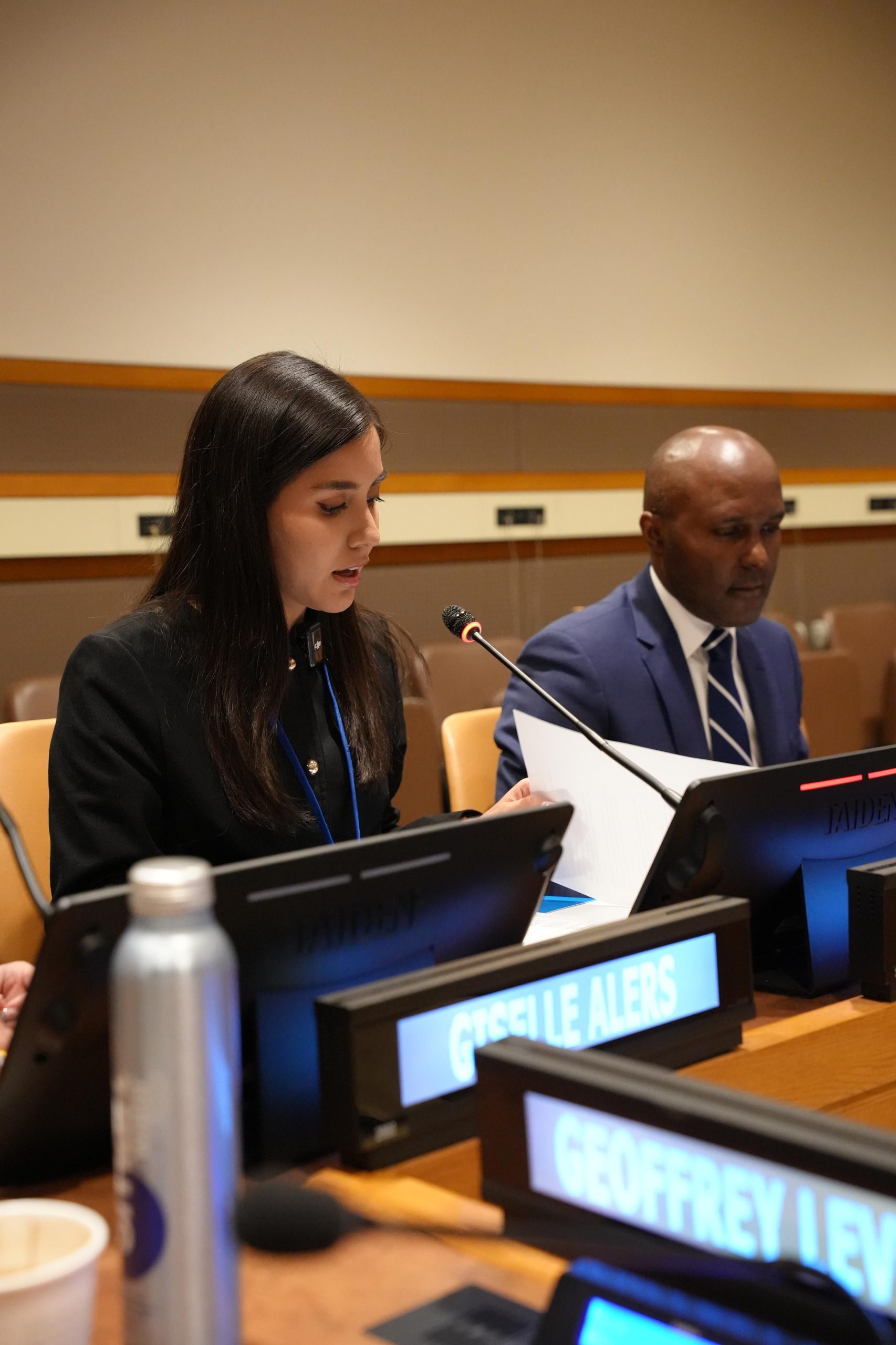
The session also featured special guest Mediha Alhamad, a Yazidi genocide survivor and advocate for her community. She escaped Sinjar at the age of nine, amid the violence against the Yazidi population in 2014. Her perspective brought the human consequences of conflict and displacement into a discussion otherwise focused largely on economic and institutional systems. More than a decade after the genocide, many Yazidi families continue to face displacement, while questions of justice, security, and the future of children affected by violence remain unresolved. Her contribution underscored that development cannot be separated from human dignity, the protection of vulnerable communities, and the conditions required for people to rebuild their lives.
Rajlakshmi Kadam, Consul (Trade) at the Consulate General of India, examined the relationship between economic growth, energy infrastructure, and artificial intelligence. Her remarks highlighted that expanding AI capabilities requires more than computing power: it depends on reliable electricity, transmission networks, water, semiconductors, and infrastructure capable of meeting growing demand. She also outlined opportunities in renewable energy, energy storage, energy efficiency, green hydrogen, and international cooperation, emphasizing the role of public-private partnerships in scaling sustainable technologies.
The session also welcomed international special guests, including Mr. Andrew Lafuente, Ms. Evie Evangelou, Ms. Bita Lyons, Mr. Govind Srivastava, who joined representatives from different sectors and regions in the exchange.
Although the contributions addressed diverse fields—from agriculture and employment to digital identity, displacement, artificial intelligence, and the energy transition—they pointed to a shared challenge: many of the capabilities required to address today’s development needs already exist, but remain distributed across governments, businesses, financial institutions, communities, and international organizations.
This raises an important question for development policy: what remains after the funding ends? Beyond the amount of capital mobilized, the durability of results depends on whether initiatives leave behind stronger institutions, viable businesses, jobs, knowledge, infrastructure, local production, and new economic opportunities.
For the Council of Global Change, connecting stakeholders across regions is part of its effort to help translate shared priorities into cooperation, investment, knowledge transfer, and practical opportunities for governments, institutions, and communities.
The New York session provided a forum to examine how these relationships can move beyond dialogue and contribute to lasting capabilities, with cooperation across sectors serving as a means of turning development objectives into sustainable results.