
How can countries adapt to a world shaped by accelerated technological transformation, institutional crises, social polarization, and rapidly evolving global dynamics?
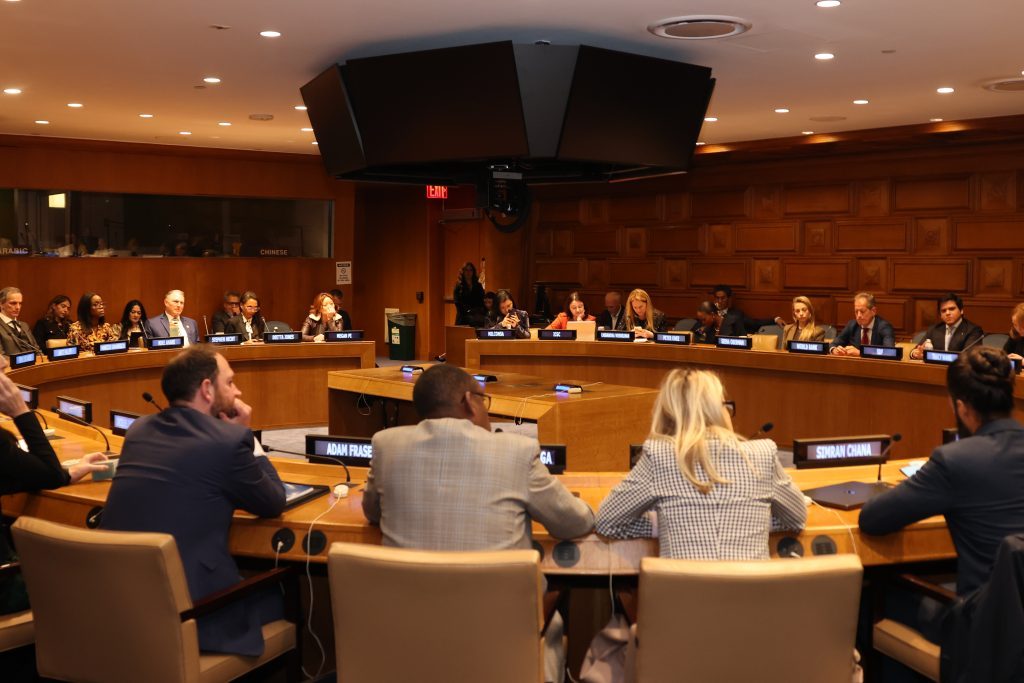
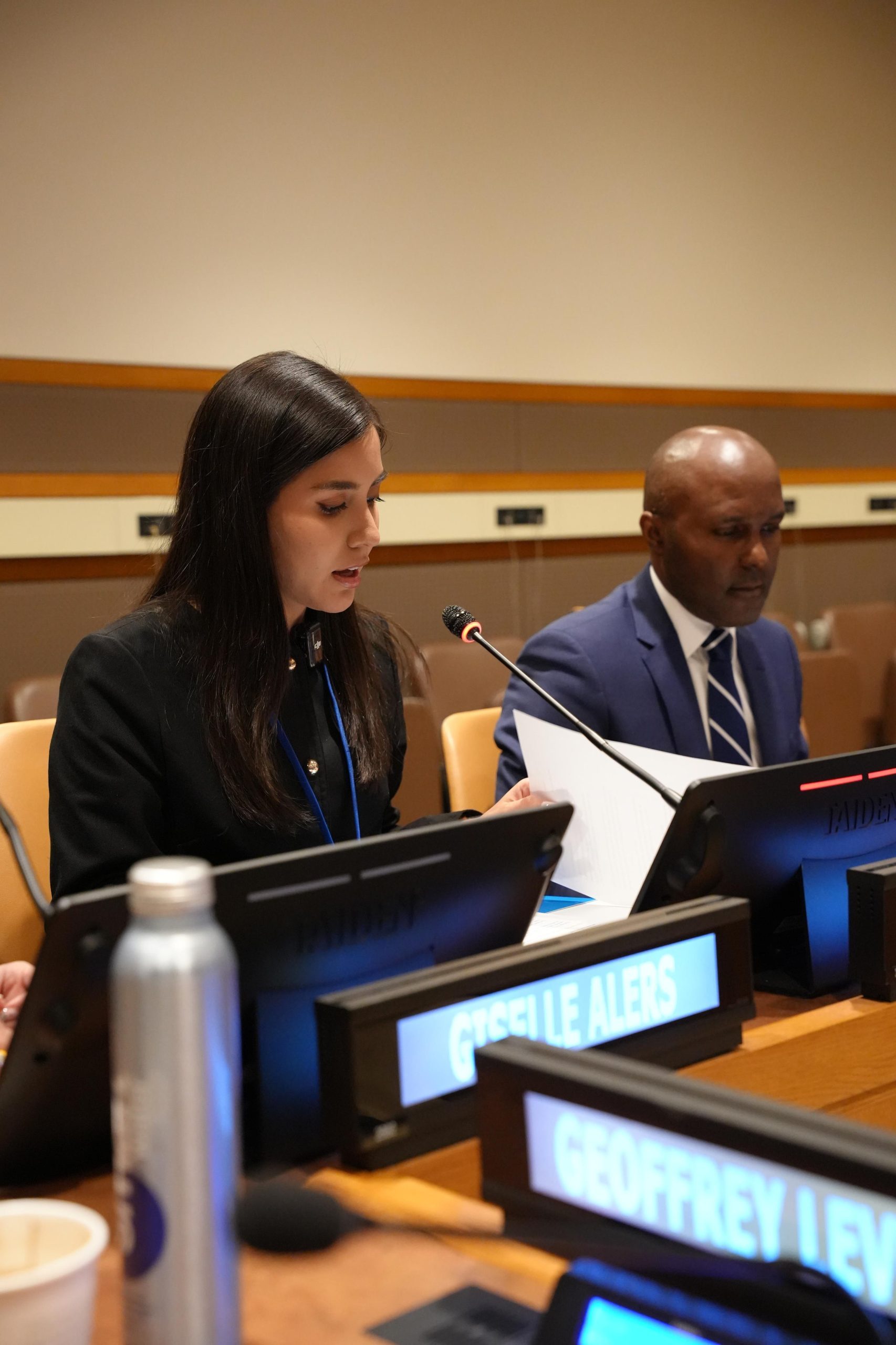
This was one of the central questions explored during the session “Roundtable on Efficient Governance Frameworks for Small and Structurally Constrained States,” organized by the Council of Global Change (CGC) at the United Nations Headquarters in New York.
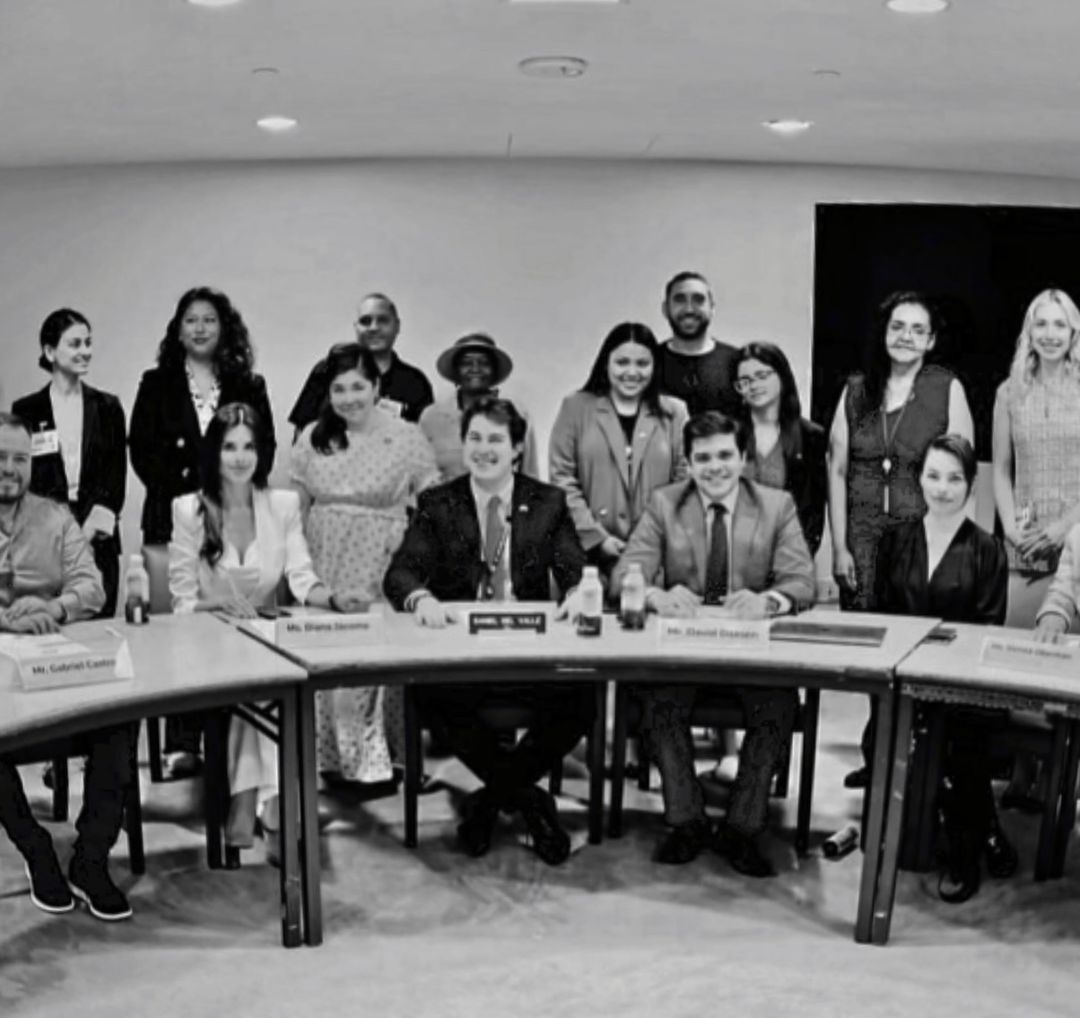
The session brought together international leaders from sectors traditionally viewed as separate — governance, public health, technology, education, culture, finance, and youth development — around a shared idea: today’s global challenges can no longer be addressed solely through traditional governmental structures.
The event was led by David Xavier Sánchez, Secretary-General of the Council of Global Change, who presented the organization’s vision as an international platform designed to connect governments, the private sector, technological innovation, and civil society in order to develop more agile and adaptable institutional models.
“We are entering an era in which institutional adaptability will become one of the most important factors for the stability and development of nations,” Sánchez stated during the session.
Sánchez also emphasized that many administrative systems continue operating under structures designed for economic, technological, and demographic realities entirely different from those of today, particularly in small states and countries facing structural limitations.
One of the most recurring themes throughout the event was the need to build governance models capable of integrating solutions from multiple disciplines simultaneously.
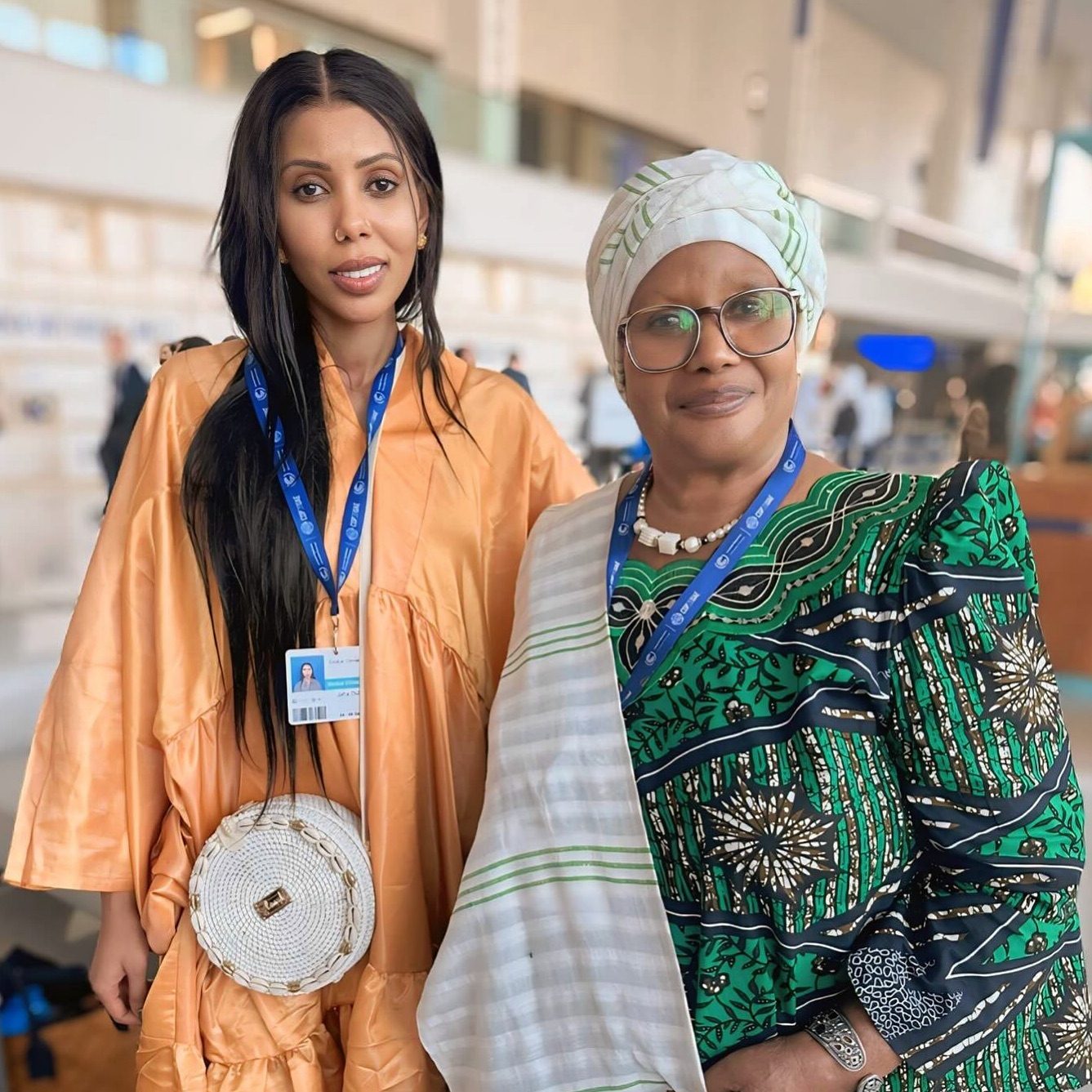
Former United Nations official Hawa Diallo delivered one of the session’s most direct reflections on institutional reform, noting that many governance systems fail when they are applied uniformly across vastly different contexts. During her remarks, she emphasized the importance of adapting administrative structures to local realities while incorporating digitalization tools, biometric systems, and intergenerational cooperation.
Similarly, human rights advocate and Nobel Peace Prize nominee Jaha Dukureh argued that institutional efficiency must also be understood as an issue of global justice. Dukureh proposed strengthening cooperation among countries in Africa, Central America, the Caribbean, and island states to share digital governance models, youth leadership initiatives, and accessible financial mechanisms for vulnerable populations.
Education and youth development also played a central role throughout the session. International activist Akash Patel presented intercultural initiatives currently connecting students from more than 150 countries through virtual platforms focused on empathy, international cooperation, and peaceful conflict resolution.
Meanwhile, Alex Garfin addressed contemporary challenges related to media literacy, information quality, and the impact of social media on younger generations, highlighting the importance of preparing youth to navigate increasingly complex digital ecosystems.
The session also explored the role of cultural and creative industries in processes of social and institutional transformation. Film producer Sienna Oberman emphasized that cultural narratives possess a unique ability to generate collective awareness and social cohesion, referencing productions such as Porcelain War and Fairyland as examples of how cinema can shape public understanding of human conflicts and social change.
Sarah Boulos also shared experiences from Nigeria where performing arts programs evolved into youth empowerment platforms despite economic limitations and limited state support. In the same vein, King Saladeen and Lauren Nader presented community identity and urban art initiatives directed toward young people in vulnerable communities.
In the field of public health, Elza Carneiro, Director of Brazil’s Little Prince Hospital, presented remote monitoring models powered by artificial intelligence, community health programs, and youth health promoter training systems currently operating in vulnerable regions of Brazil that could potentially be replicated in other resource-constrained countries.
Yoga teacher and researcher Eddie Stern introduced an unconventional perspective within traditional institutional debates, focusing on the importance of incorporating human well-being, emotional stability, and clarity of thought into contemporary leadership and public administration structures.
The discussion also addressed financial innovation and operational sustainability. Daniel Rosenstein, former banking executive at Citibank and Deutsche Bank, advocated for the use of metrics, data analysis, and incentive systems focused on measurable outcomes as essential mechanisms for attracting investment toward high-impact social initiatives.
Additional participants included Consuelo Vanderbilt, Jessica Jackson, Héctor Sulaimán, Prince Mario-Max Schaumburg-Lippe, Thomas Vu, Eve Kanyo, Pierre Subeh, Queen Mother Dr. Delois Blakely, and other international guests connected to social leadership, technology, culture, international cooperation, and institutional transformation.
Beyond the diversity of sectors represented, one of the most significant aspects of the session was the convergence of multiple perspectives around a shared conclusion: the future of governance will increasingly depend on the ability to connect technology, education, health, culture, innovation, and international cooperation within more flexible and adaptable systems.
The session concluded with the announcement of new international initiatives led by the Council of Global Change aimed at strengthening interregional cooperation and developing governance structures capable of responding to the social, economic, and technological challenges of the 21st century.