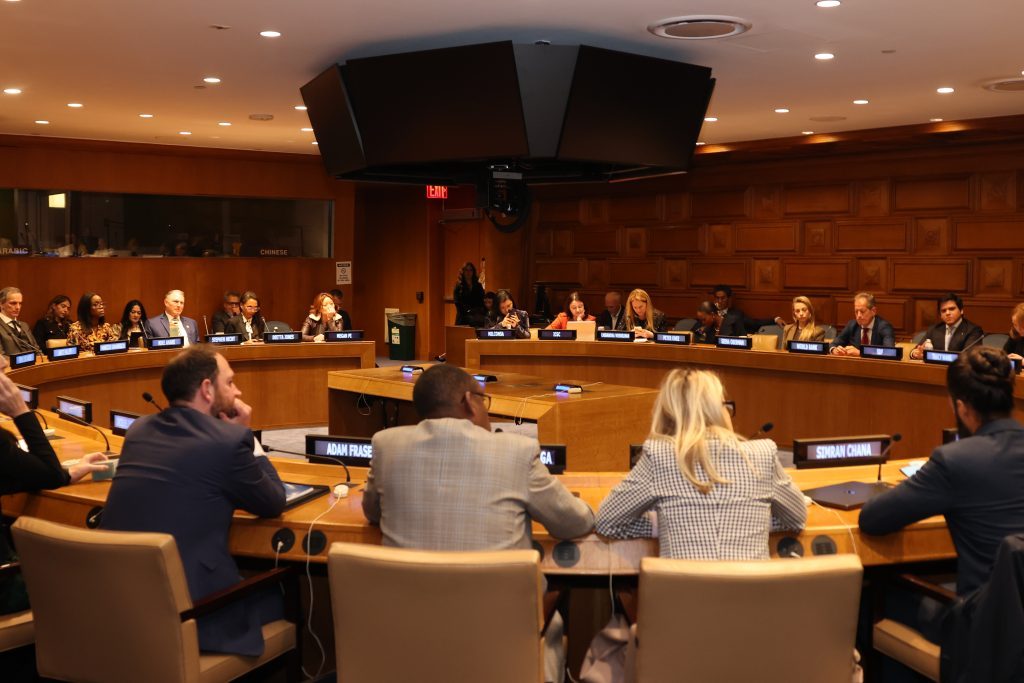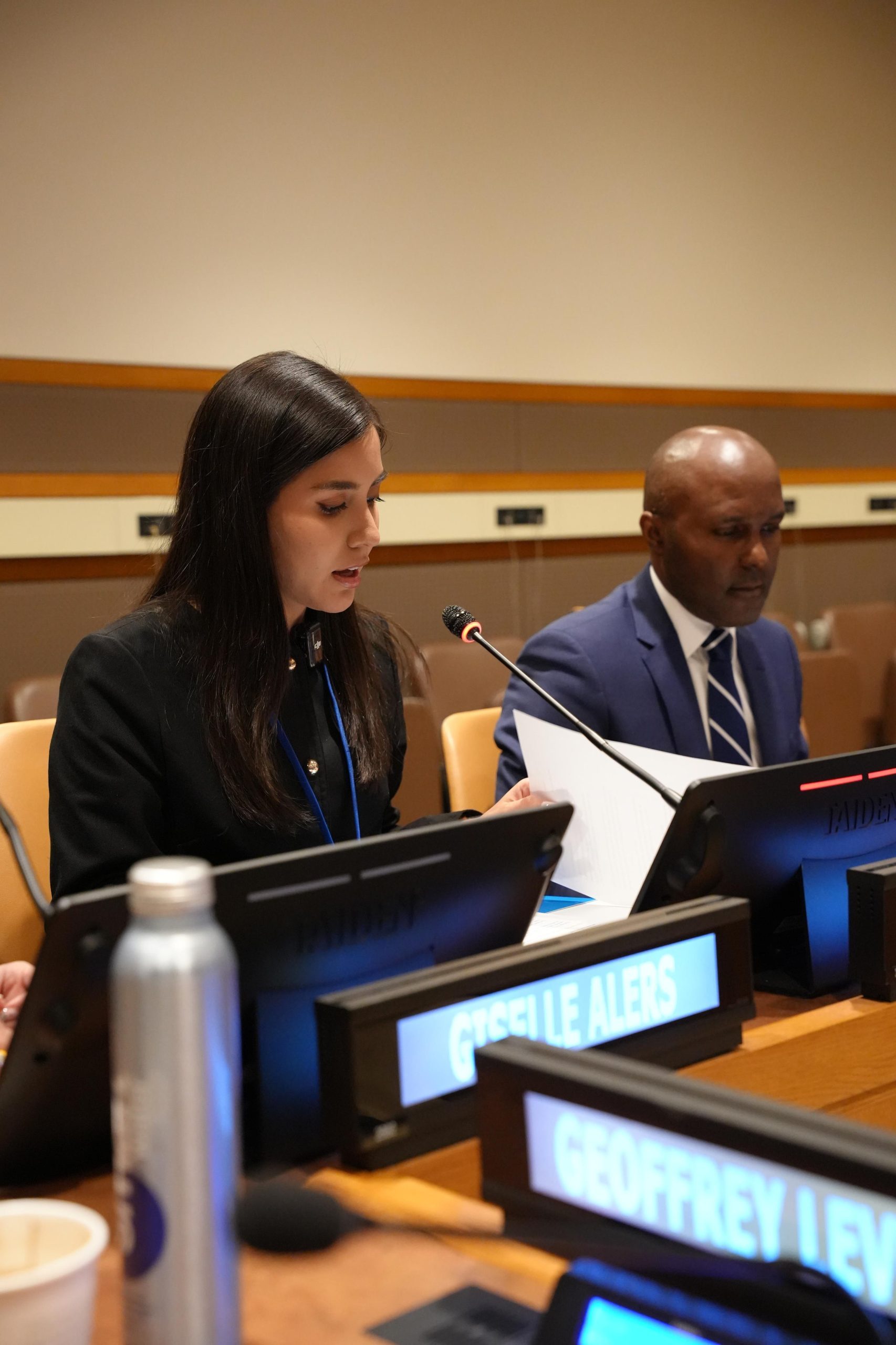

The Council of Global Change (CGC) held a high-level session at the United Nations Headquarters in New York, where it officially announced its establishment as a Permanent Mission before the Central American Parliament (PARLACEN), marking a new step in the organization’s institutional and diplomatic expansion.
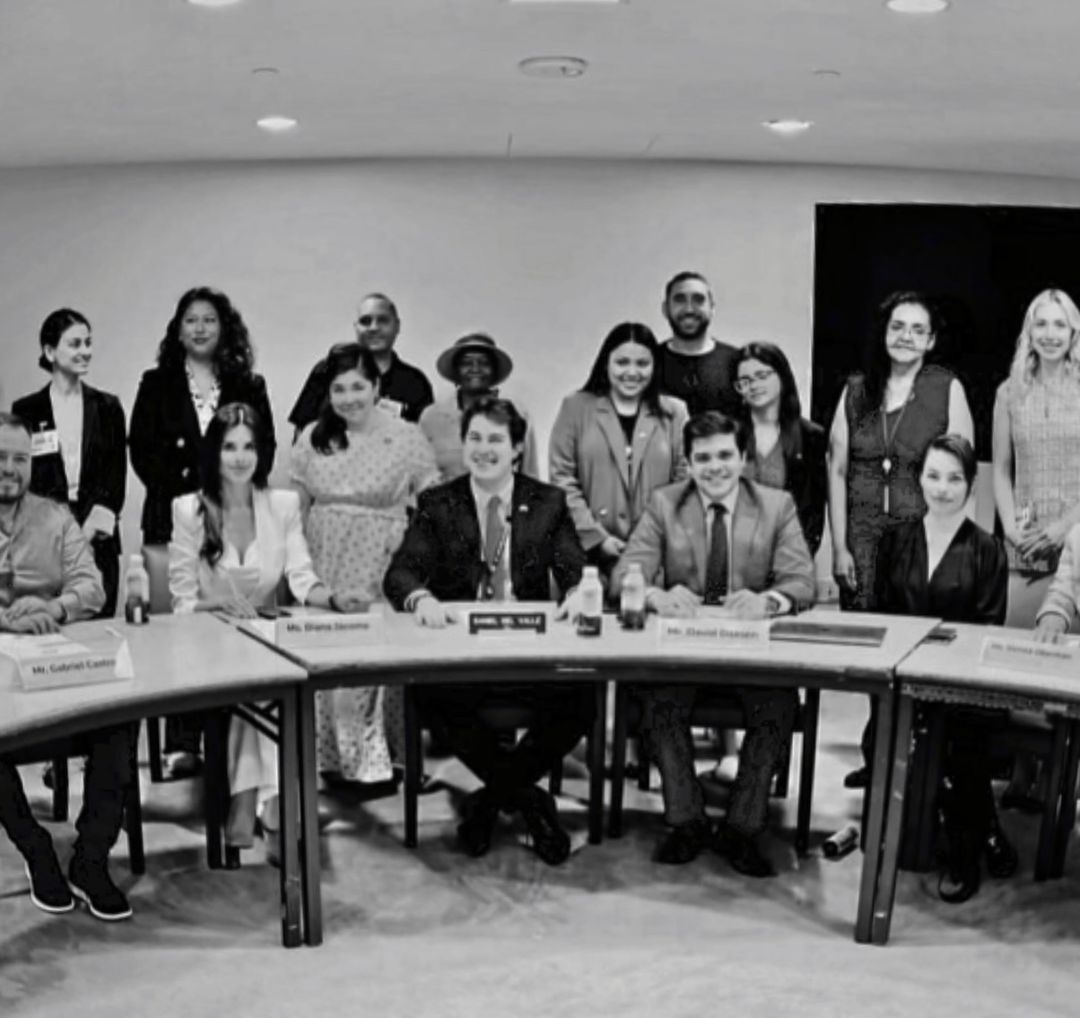
The session, held on July 11st, 2025 under the title “Roundtable on Efficient Governance Frameworks for Small and Structurally Constrained States,” brought together diplomats, institutional leaders, private sector representatives, and international experts in governance, regional cooperation, and public innovation.
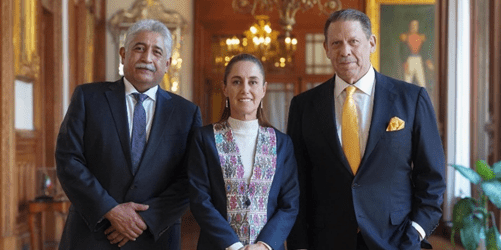
The announcement was made by Carlos Hernández, President of the Central American Parliament (PARLACEN), who emphasized the importance of strengthening new international alliances aimed at promoting institutional modernization, strategic cooperation, and regional development.
“The true development of nations is not measured by geographic or economic size, but by the ability to act with vision, strategic determination, and institutional efficiency,” Hernández stated during his remarks.
The President of PARLACEN also explained that the regional body — composed of Guatemala, El Salvador, Honduras, Nicaragua, Panama, and the Dominican Republic — was created as a platform for integration and stability following the Central American peace agreements, highlighting that the new cooperation with the Council of Global Change seeks to strengthen institutional capacities and expand mechanisms for international collaboration.
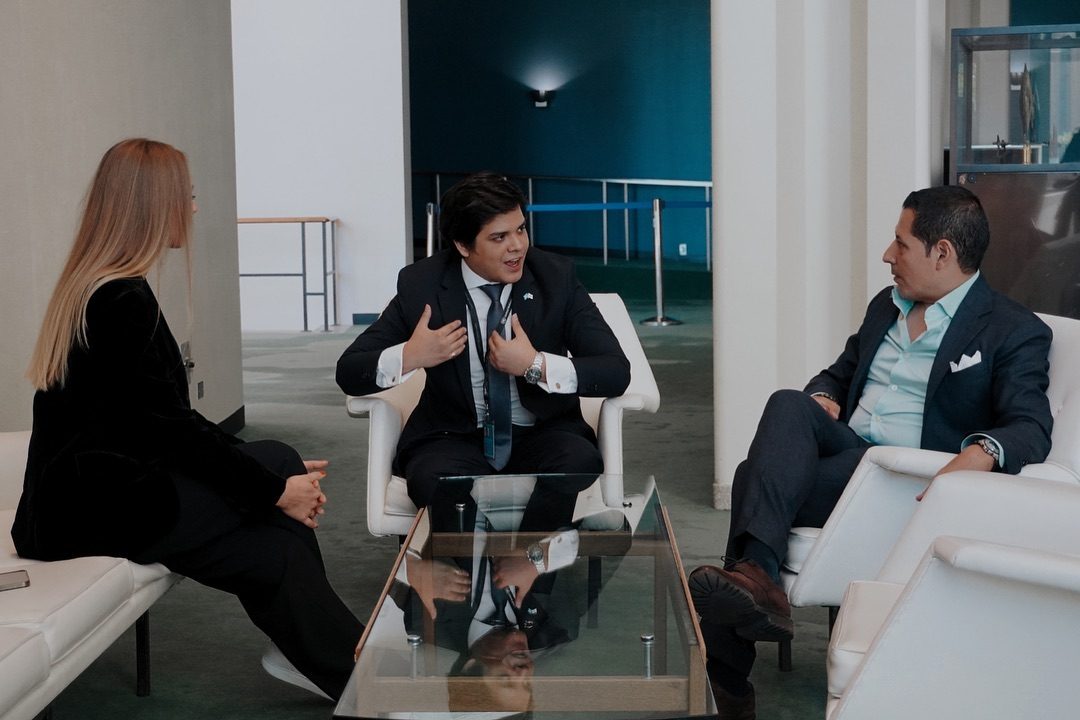
The session was led by David Xavier Sánchez, Secretary-General of the Council of Global Change, who presented the organization’s vision as an international platform focused on developing more efficient, adaptable, and sustainable governance models for countries facing structural limitations and limited resources.
During his intervention, Sánchez noted that many states continue operating under bureaucratic systems designed for realities entirely different from those of today, emphasizing the need to build institutional structures that are more agile, technologically integrated, and interconnected.
“We are entering an era in which institutional adaptability will become one of the most important factors for the stability and development of nations,” Sánchez stated. “Our objective is to identify models that can be replicated and adapted across different national realities.”
The Secretary-General also revealed that the Council of Global Change plans to expand its cooperation toward additional regional organizations across Latin America, Africa, and other emerging regions, further strengthening its international network for institutional collaboration.
One of the most significant aspects of the session was the convergence of representatives from multiple strategic sectors, including governance, diplomacy, public health, education, technological innovation, culture, and youth development, reflecting the multidisciplinary approach the Council of Global Change seeks to promote through its international initiatives.
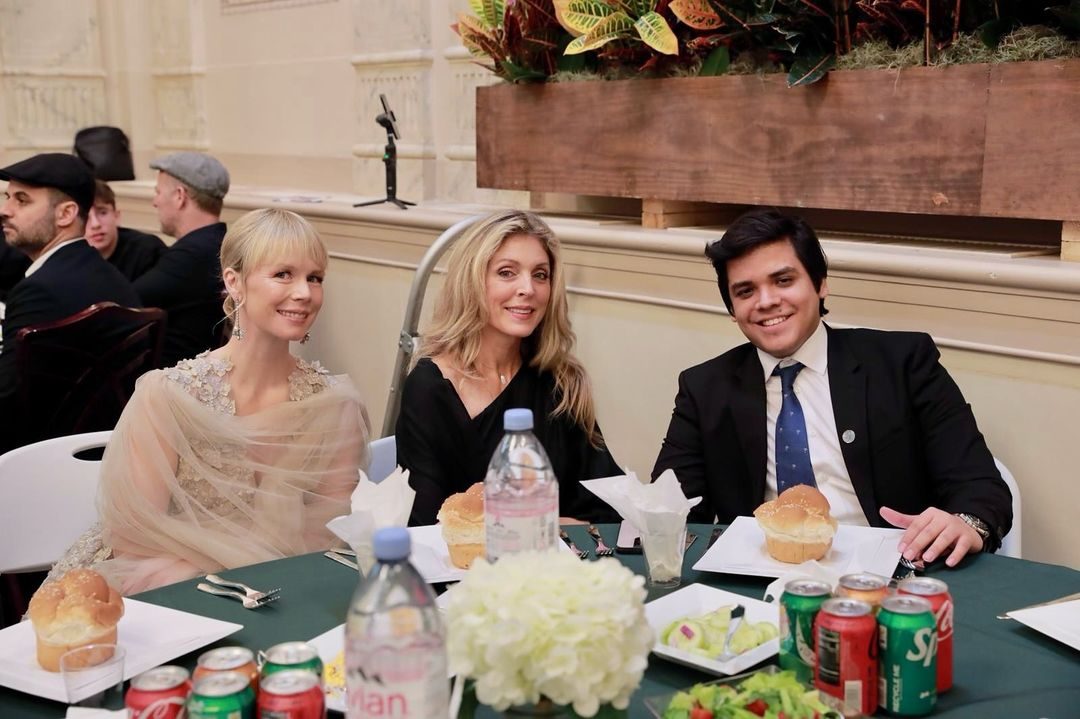
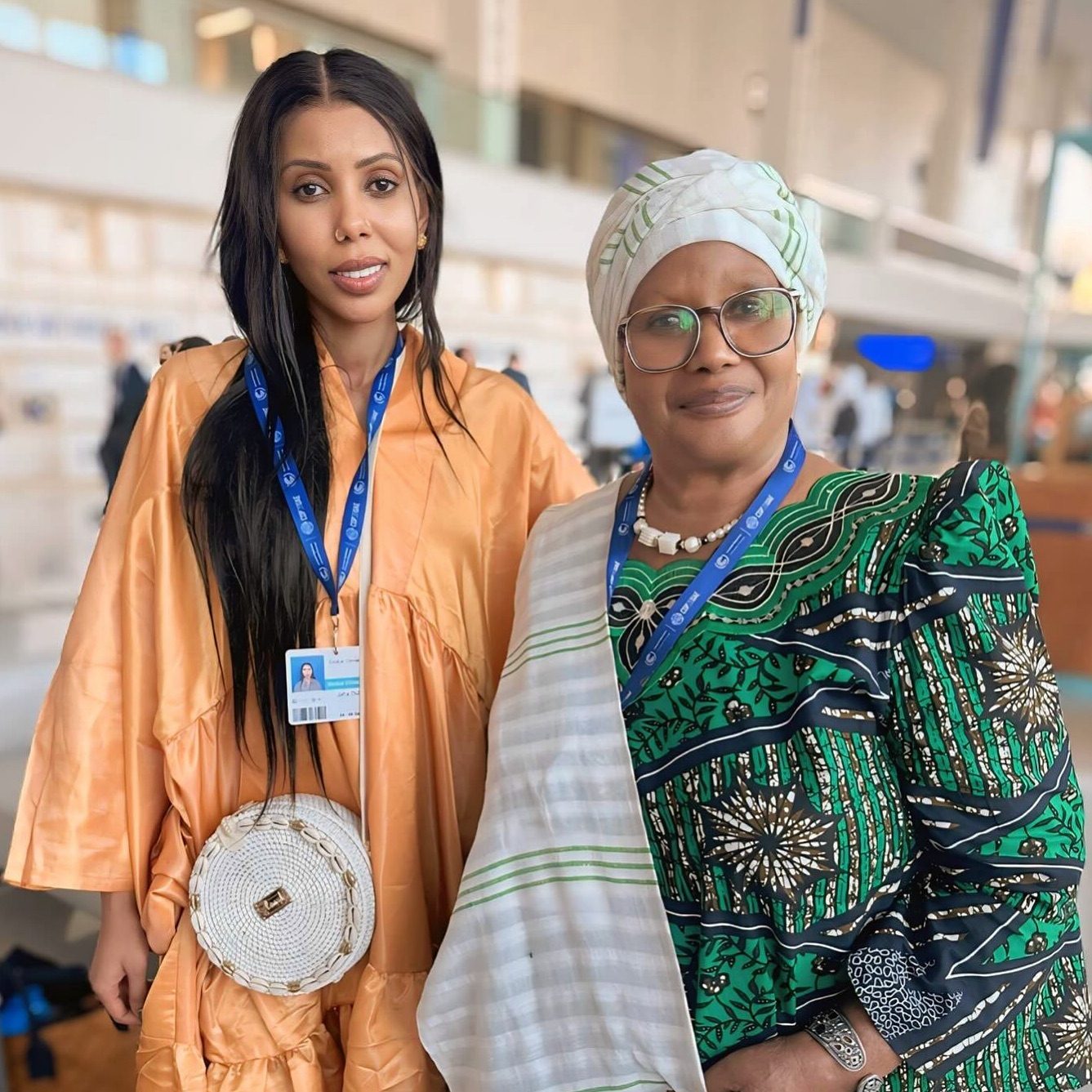
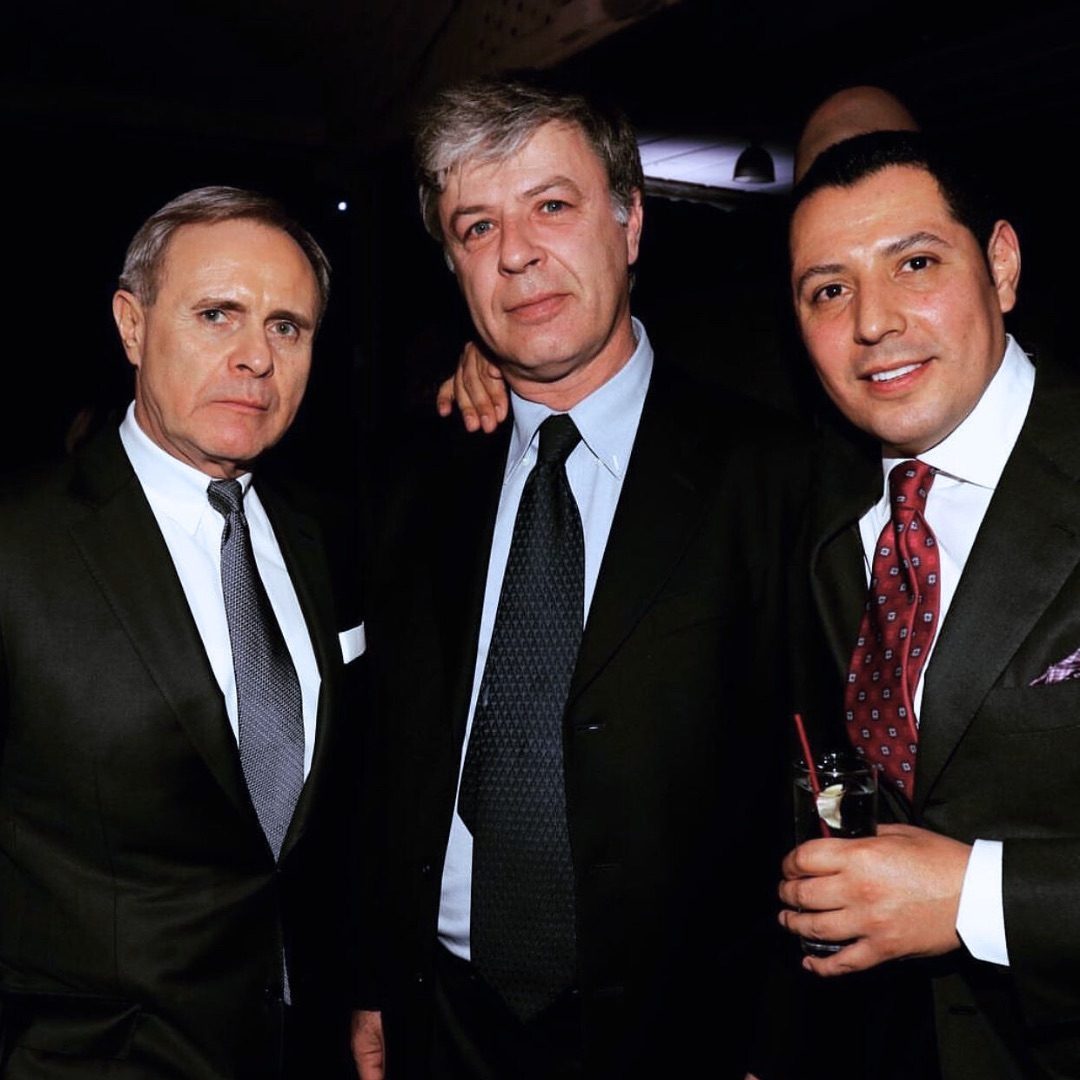
Participants included Mexican businessman and Vice President of the World Boxing Council (WBC) Héctor Sulaimán; entrepreneur and philanthropist Consuelo Vanderbilt; attorney and political activist Jessica Jackson; film producer Sienna Oberman; actor and philanthropist Prince Mario-Max Schaumburg-Lippe; human rights advocate and Nobel Peace Prize nominee Jaha Dukureh; former United Nations official Hawa Diallo; international activist Akash Patel; Sarah Boulos; Thomas Vu, Executive Producer of League of Legends; Elza Carneiro, Director of Brazil’s Little Prince Hospital; Daniel Rosenstein, former banking executive at Citibank and Deutsche Bank; Queen Mother Dr. Delois Blakely; Alex Garfin; Eddie Stern; Eve Kanyo; King Saladeen; Lauren Nader; and Pierre Subeh, among other international guests.
Throughout the session, discussions focused on regional cooperation, institutional transformation, governmental digitalization, youth leadership, financial innovation, intercultural education, public health, and social development.
At the conclusion of the event, the official cooperation agreement was signed through which the Council of Global Change was formally established as a Permanent Mission before the Central American Parliament (PARLACEN), consolidating a new platform for parliamentary cooperation within one of the principal regional political integration bodies in Central America.
Through this new agreement, the Council of Global Change continues strengthening its international presence and consolidating alliances aimed at developing more efficient, collaborative, and adaptable governance models for contemporary global challenges.